
Life as Narrative
Thinking, Fast and SlowThis flow traces how endings, peaks, and memorable episodes shape judgments of lives that should logically depend on duration.
increasing Bearing strength in each event
 decreasing
Bearing strength in each eventdecreasingLa Traviata Ending
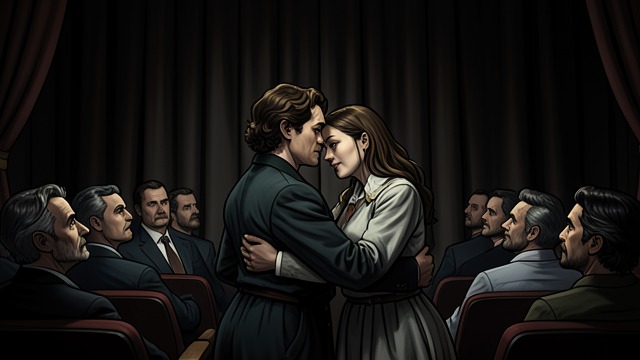
Ten Final Minutes
Operatic Attention
The lovers' reunion matters because it changes the emotional ending of Violetta's story.
Duration Neglect
The length of her happy life matters less than the remembered conclusion.
The Scratched Symphony
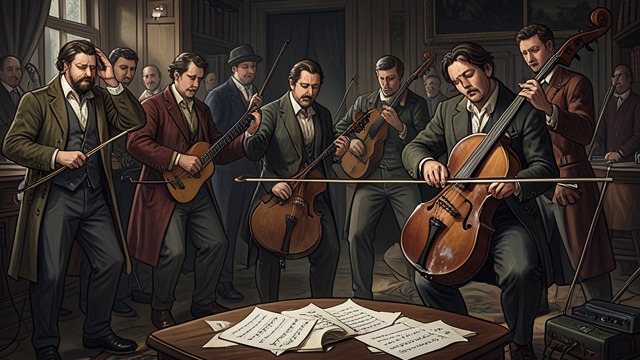
A Ruined Memory
Good Experience
Most of the symphony is enjoyed intensely.
Bad Ending
A final shock makes the listener judge the entire experience as ruined, though the past moments remain unchanged.
Jen's Happy Life
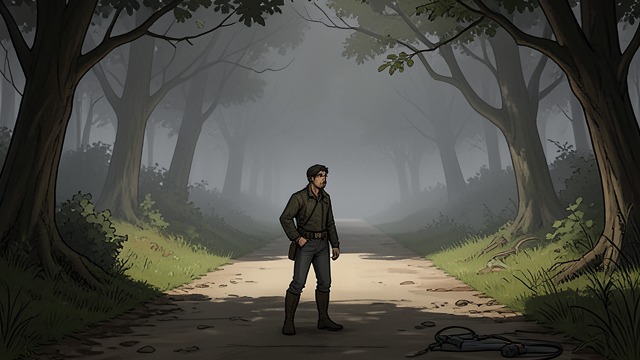
Longer Happiness
Added Years
A very happy life is extended by mildly happy years.
Less-Is-More
People judge the longer life as less desirable because the added ending lowers the prototype.
Posthumous Revisions

Changing a Dead Life
New Information
A revelation about love or achievement alters how observers judge someone already dead.
Narrative Ownership
The emotional target is the story, not a current experience.
A Decent Hero
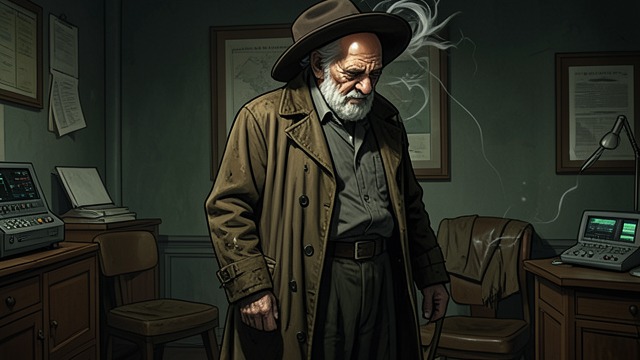
Personal Narrative
Self-Image
People care intensely about the story of their own life.
Vulnerability
A final humiliating event can threaten the identity of the remembered hero.
During the life-as-story chapter
Immediately after the opera example
Middle of the life-story chapter
Later in the same chapter
Near the end of the life-story chapter
